
When it comes to eating well,fiber often gets a bit of a backseat,tucked away behind flashy superfoods and trendy diets. But here’s teh truth: fiber is a true superstar for your gut—and your overall health! Whether you’re looking to boost digestion, keep your energy steady, or just feel great day to day, adding the right kinds of fiber to your plate can make a world of difference.In this article, we’ll dive into why fiber matters and share some easy, tasty tips to help you build a balanced diet that keeps you feeling your best. let’s get started!
Table of Contents
- Understanding the Role of Fiber in your Digestive Health
- Choosing Fiber-Rich Foods That Fit Your Lifestyle
- Easy Ways to Boost Fiber intake Throughout Your Day
- Balancing Fiber with Hydration for Optimal Benefits
- The Way Forward
Understanding the Role of Fiber in Your Digestive health
Fiber plays a vital role in keeping your digestive system running smoothly. It acts like a gentle broom, sweeping through your intestines and helping to prevent constipation by adding bulk to your stool. But fiber isn’t just about regularity—it also supports a healthy balance of gut bacteria, which is crucial for nutrient absorption and immune function. Incorporating fiber into your diet can reduce the risk of digestive disorders like diverticulitis and may even lower your chances of developing certain chronic diseases.
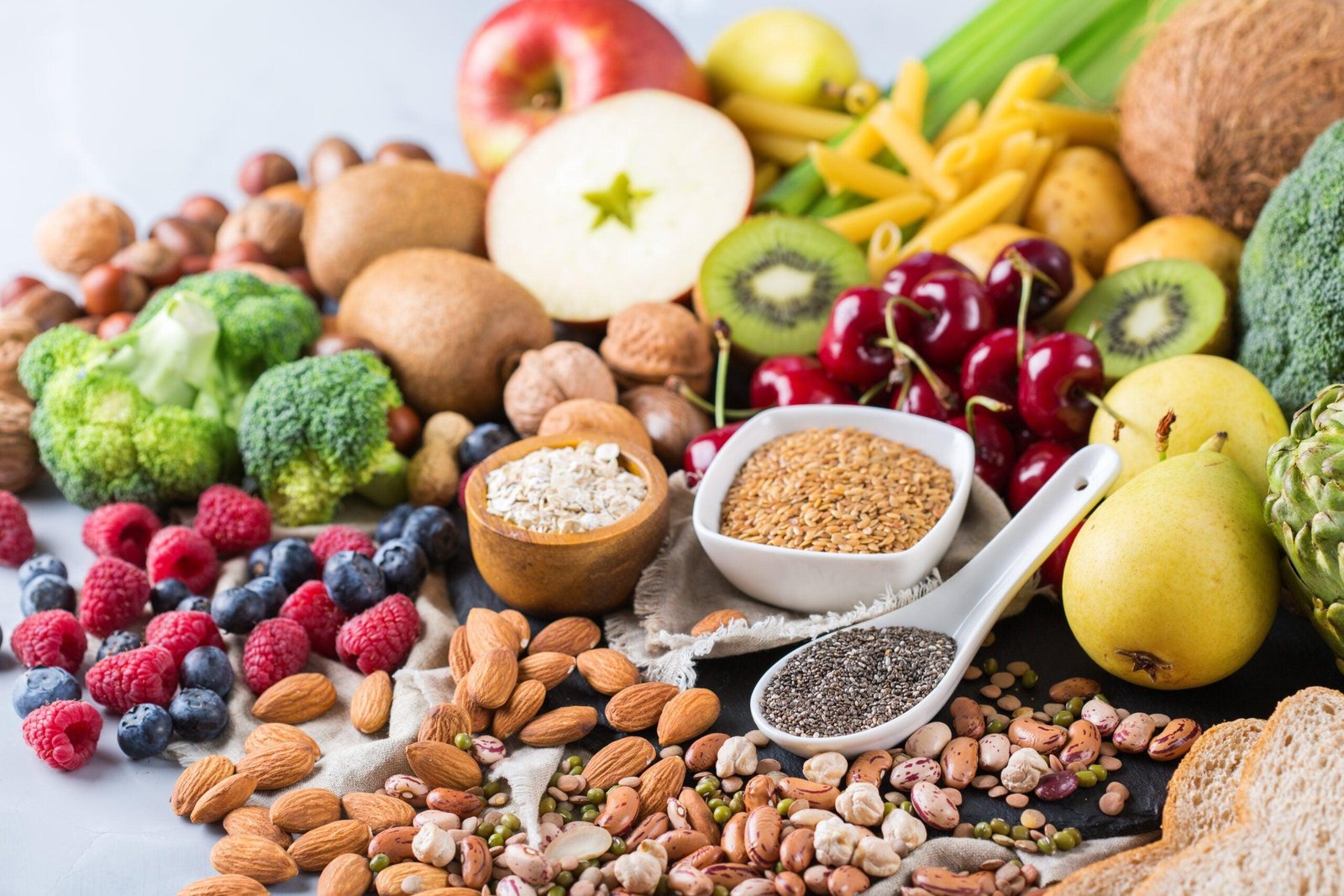
To harness these benefits,aim to include a variety of fiber-rich foods daily. Some easy sources to remember are:
- Whole grains like brown rice and oats
- Fresh fruits and vegetables such as berries, apples, and broccoli
- Legumes including lentils, chickpeas, and black beans
- Nuts and seeds for a crunchy fiber boost
By embracing these foods, your digestive health will get a natural lift, making it easier to feel energized and balanced every day.
Choosing Fiber-Rich Foods That Fit Your Lifestyle
When it comes to incorporating fiber into your daily routine, it’s all about making choices that blend seamlessly with your everyday habits. not everyone thrives on salads or whole grains alone, so consider diverse sources that suit your palate and schedule. Such as,if you’re always on the go,snack on nuts,seeds,or dried fruits to get a fast fiber boost. If mealtime prep is your focus, swap out white rice for quinoa or brown rice—both provide a satisfying texture with extra fiber benefits. Even something as simple as adding a handful of berries to your morning yogurt can elevate your fiber intake effortlessly.
Flexibility is key to sustaining a fiber-rich diet without feeling restricted. Aim to experiment with a variety of foods so your gut—and taste buds—stay happy.Here are some favorite options to keep handy:
- Legumes: Lentils, chickpeas, and black beans are fiber powerhouses.
- Whole grains: oats,barley,and bulgur add hearty texture to meals.
- Vegetables: Artichokes, broccoli, and Brussels sprouts are tasty fiber sources.
- Fruits: Apples, pears (with the skin on), and raspberries pack loads of fiber.
Easy Ways to Boost Fiber Intake Throughout Your day
Boosting your daily fiber intake doesn’t have to be overwhelming! Start by incorporating small swaps that make a big difference. As an example, switch out white bread for whole grain varieties, or add a handful of chia seeds or flaxseeds to your morning smoothie. These effortless changes add bulk and nutrients without demanding extra time in the kitchen. Keep fruit skins on when possible—apples, pears, and cucumbers are excellent options that pack more fiber when unpeeled.
Another great strategy is creating fiber-rich snacks that satisfy cravings while supporting digestion. Consider these easy options:
- Raw veggies with hummus: crunchy, filling, and fiber-loaded.
- Air-popped popcorn: A surprising high-fiber treat.
- Trail mix with nuts and dried fruits: Perfect for on-the-go energy.
By weaving fiber into every meal and snack, you encourage better digestion and keep your energy steady all day long.
Balancing Fiber with Hydration for optimal Benefits
Increasing your fiber intake is a fantastic way to support digestion and overall health, but it’s equally meaningful to ensure you’re drinking enough fluids throughout the day.Fiber works best when it absorbs water, helping to create softer, bulkier stools that move smoothly through your digestive tract. Without adequate hydration, adding too much fiber too quickly can lead to discomfort like bloating or constipation. To keep things cozy and effective,aim to drink at least 8 glasses of water daily,and consider increasing this amount if you’re upping your fiber consumption.
incorporate these easy habits to maintain the perfect balance:
- Carry a reusable water bottle to remind yourself to sip regularly.
- pair high-fiber meals with a glass of water or herbal tea.
- listen to your body—if you notice digestive sluggishness, it’s time to hydrate more.
- Choose water-rich fruits and vegetables, like cucumber and watermelon, to boost hydration naturally.
By syncing fiber intake with hydration, your digestive system will thank you with improved regularity and a lighter, more energized feeling every day.
The Way Forward
Thanks for sticking with me through the fiber-filled journey! Remember,adding a little extra fiber to your meals doesn’t have to be complicated—it’s all about those simple,smart swaps and mindful choices. Your digestive system will thank you, your energy levels might just surprise you, and you’ll be giving your body the love it deserves. So next time you’re at the grocery store or planning your meals, think fiber first. Here’s to a healthier, happier you—one bite at a time!