
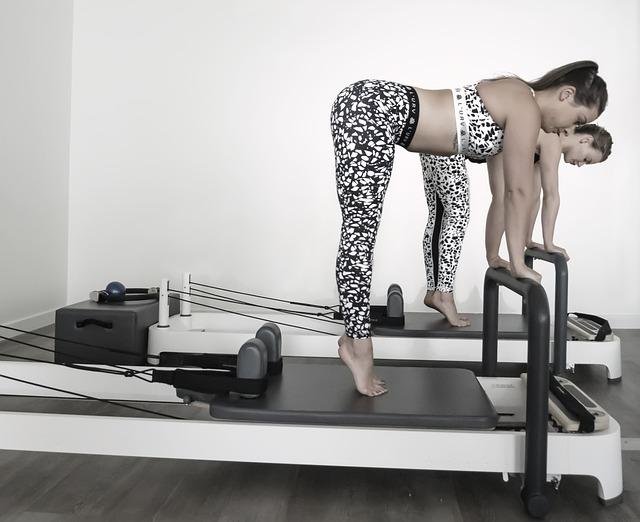
In recent years, strength training has emerged as a powerful tool for women seeking to enhance their physical health, boost confidence, and challenge traditional fitness stereotypes. “” aims to provide a comprehensive roadmap for women of all fitness levels who want to harness the benefits of resistance training. From debunking common myths to offering expert tips and workout strategies, this guide is designed to inspire and equip women with the knowledge they need to build strength, improve endurance, and transform their overall well-being. whether you’re new to the gym or a seasoned athlete, this article will help you navigate the empowering journey of strength training with confidence and clarity.
Table of Contents
- Benefits of Strength Training for Women’s Physical and Mental Health
- Designing a Balanced Strength Training Program for All Fitness Levels
- Essential Exercises and Techniques for Building Functional Strength
- Nutrition and Recovery Strategies to Maximize Training Results
- The Way Forward
Benefits of strength Training for Women’s Physical and Mental Health
Physical health advantages of incorporating strength training are profound and multifaceted.beyond sculpting a toned physique, lifting weights enhances bone density, reducing the risk of osteoporosis, a critical benefit for women as they age. It also boosts metabolism,aiding in effective weight management and promoting cardiovascular health by improving circulation and reducing blood pressure.Strength training supports joint health and flexibility, which helps prevent injuries and maintains mobility for an active lifestyle. The continual muscle engagement increases endurance and functional strength, empowering women to perform daily tasks with greater ease and confidence.
Mental wellbeing stands as an equally compelling benefit of regular strength training.Engaging in resistance exercises triggers the release of endorphins and neurotransmitters like serotonin, which elevate mood and mitigate symptoms of anxiety and depression. This form of exercise also cultivates a strong sense of achievement and self-efficacy,fostering resilience against stress. Women often report improved body image and greater self-esteem as consistent training reshapes both mental and physical perspectives. Additionally, the discipline involved in setting and meeting fitness goals encourages mindfulness and enhances cognitive functions such as focus, memory, and problem-solving skills.
- Increased muscle strength and tone
- Improved bone density and joint health
- Enhanced metabolic rate for weight control
- Reduced risk of chronic diseases
- Boosted mood and lowered stress levels
- Better self-confidence and body image
- Improved cognitive function and focus
Designing a Balanced Strength Training Program for All Fitness Levels
Creating an effective strength training program requires a thoughtful blend of exercises tailored to individual needs, ensuring progression for beginners while offering challenge for advanced fitness enthusiasts. A balanced routine integrates compound movements, such as squats and deadlifts, which activate multiple muscle groups, alongside isolation exercises that target specific areas. This approach not only fosters overall strength but also enhances muscular symmetry and injury prevention. Equally vital is incorporating rest days and active recovery to allow muscles to rebuild, promoting lasting results over time.
When designing workouts, consider the following key components to cater to all fitness levels:
- Varied Intensity: Adjust weights, reps, and sets to match experience, gradually increasing load as strength improves.
- Movement Quality: Prioritize proper form to maximize effectiveness and reduce injury risk, integrating mobility and stability exercises.
- Full-Body Integration: Combine upper, lower, and core exercises to build functional strength transferable to daily activities.
- Progressive Overload: Track progress methodically to ensure continual advancement without plateauing.
Essential Exercises and Techniques for Building Functional Strength
Functional strength is all about enhancing your body’s ability to perform everyday activities with ease and confidence, which is essential for empowering women in all aspects of life. Incorporating multi-joint compound movements like squats, deadlifts, and push-ups into your routine activates multiple muscle groups together, promoting better coordination and stability.These exercises not only build raw strength but also improve core engagement and balance, essential components for injury prevention and optimal performance.
To elevate your strength training experience, include targeted techniques such as progressive overload and tempo control. Progressive overload challenges your muscles by gradually increasing resistance, ensuring continual improvement. Meanwhile, tempo control—slowing down eccentric and concentric phases of lifts—maximizes muscle activation and builds endurance. Complementing these techniques with mobility drills and stability exercises like planks and single-leg stands creates a well-rounded foundation for functional power that seamlessly translates to daily challenges.
- Squats: Enhance leg and core strength
- Deadlifts: Improve posterior chain development
- Push-ups: Strengthen upper body and stabilize core
- Planks & Stability Drills: Boost balance and endurance
- Progressive Overload: Ensure ongoing muscle growth
Nutrition and Recovery strategies to maximize training Results
Optimizing results from strength training extends beyond the workout itself; what you fuel your body with and how you support recovery are equally crucial.Prioritize a diet rich in lean proteins, complex carbohydrates, and healthy fats to provide the essential nutrients your muscles need for growth and repair. Incorporate foods like grilled chicken, quinoa, avocado, and leafy greens to sustain energy levels and promote muscle protein synthesis. Additionally, staying hydrated with water and electrolyte-rich beverages helps maintain performance during training sessions and accelerates recovery processes.
Equally critically important is implementing strategic recovery practices. Emphasize sleep as a cornerstone, aiming for 7-9 hours nightly to facilitate hormonal balance and tissue regeneration. Supplement your routine with active recovery techniques such as stretching, foam rolling, and low-intensity cardio to enhance blood flow and reduce muscle soreness. consider integrating relaxation methods like meditation or deep breathing exercises to lower cortisol levels, further supporting muscle repair. Together, these nutrition and recovery strategies create a solid foundation for empowering your training journey and unlocking your full strength potential.
- Protein-rich meals: Support muscle repair and growth
- Complex carbs: Sustain energy and replenish glycogen stores
- Healthy fats: Aid in hormone regulation and inflammation reduction
- Proper hydration: Enhance muscle function and recovery speed
- Quality sleep: Essential for recovery and performance gains
- Active recovery: Facilitate healing and reduce stiffness
The Way Forward
embracing strength training is one of the most empowering steps women can take toward enhancing their health, confidence, and overall well-being. By understanding the fundamentals and committing to a consistent routine, women can break thru outdated stereotypes and build not only physical strength but also mental resilience. Remember, strength training is a journey—one that rewards patience, persistence, and passion. So, whether you’re just starting out or looking to elevate your workout, prioritize your goals, listen to your body, and celebrate every milestone along the way. here’s to stronger women, stronger communities, and a future where fitness knows no boundaries.