
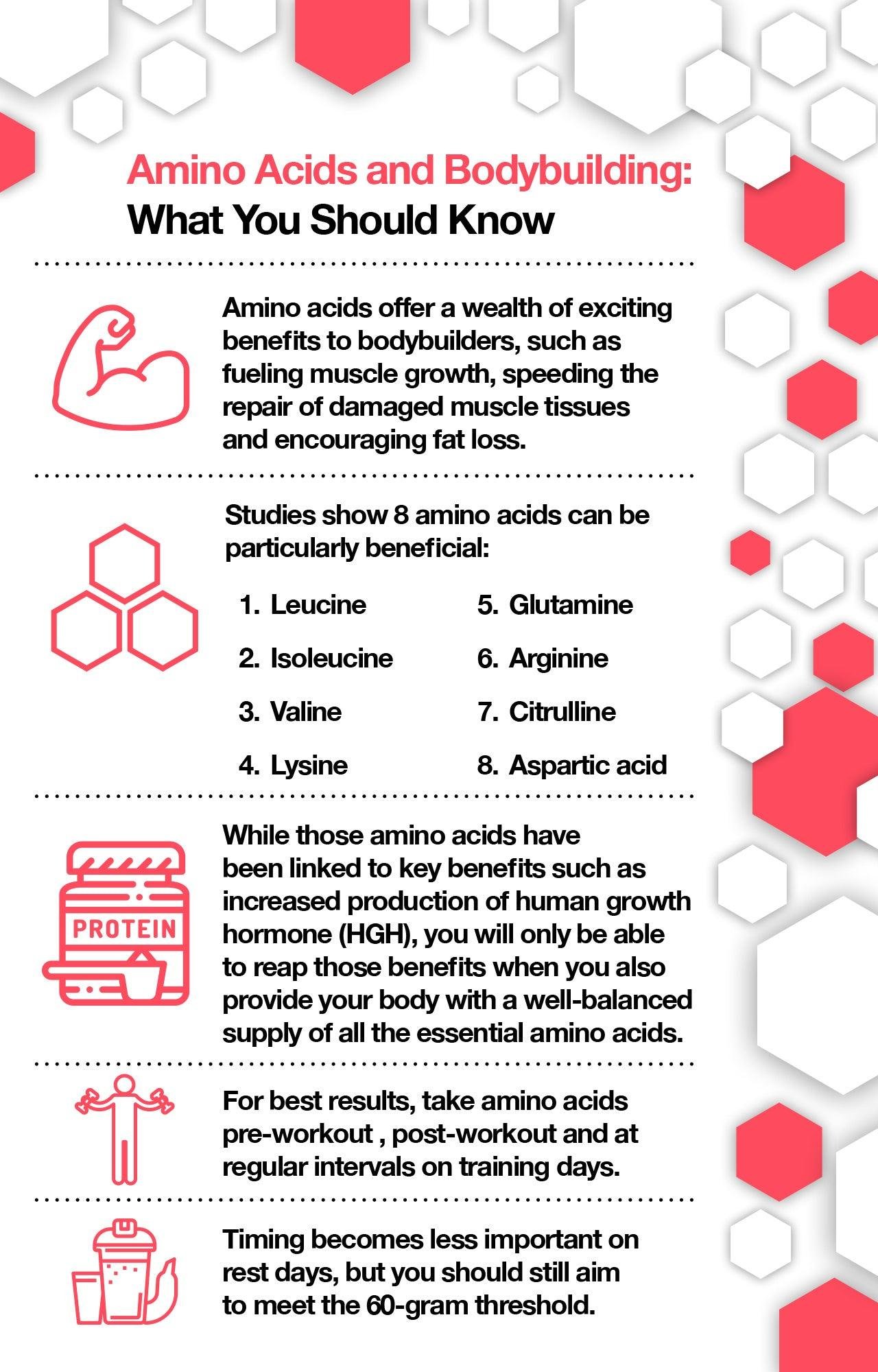
When it comes to building muscle, nutrition plays a crucial role alongside consistent training. Among teh many nutrients that support muscle growth, amino acids stand out as essential building blocks. These organic compounds are the foundation of protein synthesis, helping to repair and build muscle tissue after exercise. In this article, we’ll explore the role of amino acids in effective muscle building, their types, and how incorporating them into your diet can maximize your fitness results. Whether you’re a seasoned athlete or just starting your fitness journey, understanding amino acids can provide valuable insight into optimizing your muscle growth.
Table of Contents
- The Science Behind Amino Acids and Muscle Growth
- essential Amino Acids for Maximizing Muscle Recovery
- How Branched-Chain Amino Acids support Strength and endurance
- Practical Tips for Incorporating Amino acids into Your Muscle Building Diet
- The Way Forward
The Science Behind Amino Acids and Muscle Growth
Muscle growth is fundamentally driven by the body’s ability to synthesize new proteins, a process known as muscle protein synthesis (MPS). Amino acids serve as the essential building blocks in this process,supplying the raw materials necessary for repairing and building muscle fibers after exercise-induced damage. Among the 20 amino acids, nine are classified as essential because the body cannot produce them on its own, making dietary intake crucial. Notably, branched-chain amino acids (BCAAs)—leucine, isoleucine, and valine—play a pivotal role in activating the signaling pathways that kickstart MPS, with leucine acting as the primary trigger to enhance muscle repair and growth.
Beyond just providing construction materials, amino acids influence several cellular mechanisms that regulate muscle health.Key processes include:
- Hormonal modulation: Amino acids can stimulate the release of anabolic hormones like insulin and growth hormone, supporting muscle regeneration.
- Energy provision: during prolonged exercise, certain amino acids serve as alternative energy sources, sparing muscle tissue from breakdown.
- Reduction of muscle breakdown: Sufficient amino acid availability helps decrease muscle protein degradation, tipping the balance toward net muscle gain.
Understanding these multifaceted roles highlights why incorporating high-quality protein sources rich in essential amino acids is critical for anyone seeking effective muscle building and recovery.
Essential Amino Acids for Maximizing Muscle Recovery
To truly enhance muscle recovery, focusing on the intake of essential amino acids (EAAs) is crucial, as these cannot be synthesized by the body and must be obtained through diet or supplementation. Among the nine EAAs,leucine plays a pivotal role by activating the mTOR pathway,which signals muscle protein synthesis,thereby accelerating repair and growth. additionally, isoleucine and valine contribute to energy production and reduce fatigue, allowing for quicker recovery between intense training sessions.
Incorporating these amino acids strategically can optimize your post-workout nutrition. Prioritize sources rich in EAAs such as:
- Lean meats – chicken, beef, and turkey
- Fish and seafood – salmon, tuna, and shrimp
- Dairy products – whey protein, Greek yogurt, and cheese
- Plant-based options – quinoa, soy, and buckwheat
For those engaging in regular and intense exercise, supplementation with a balanced EAA blend can further ensure that muscle recovery processes remain uninterrupted and efficient, supporting sustainable gains over time.
How Branched-Chain Amino Acids Support Strength and Endurance
Branched-Chain Amino Acids (BCAAs)—leucine, isoleucine, and valine—play a pivotal role in enhancing physical performance by directly fueling muscle tissue during exercise.Unlike other amino acids, BCAAs are metabolized primarily in the muscles rather than the liver, allowing them to provide an immediate energy source during prolonged or intense workouts. This unique metabolic pathway helps to delay muscle fatigue, enabling athletes and fitness enthusiasts to push through tougher training sessions with greater stamina and focus.
Moreover, BCAAs actively stimulate muscle protein synthesis, which is crucial for strength gains and muscle recovery.They help reduce the breakdown of muscle proteins during exercise, preserving muscle integrity while accelerating repair. Regular supplementation or adequate dietary intake of BCAAs can:
- Enhance endurance by delaying the onset of fatigue
- Support faster recovery through reduced muscle soreness
- Boost muscle growth by increasing anabolic signaling pathways
This combined effect not only improves workout performance but also accelerates overall progress in muscle building and strength development.
Practical Tips for Incorporating Amino Acids into Your Muscle Building Diet
To effectively boost muscle growth,it’s essential to incorporate a balanced array of amino acids throughout the day,especially around workout sessions.Focus on consuming complete protein sources such as lean meats, dairy, eggs, or plant-based options like quinoa and soy, which provide all essential amino acids. Supplementing with branched-chain amino acids (bcaas) before or during workouts can also enhance protein synthesis and reduce muscle fatigue. Additionally, pairing these protein sources with carbohydrates can improve amino acid absorption and refuel glycogen stores for optimal recovery.
Beyond timing and selection, diversity in your amino acid intake plays a crucial role. Consider integrating natural supplements like whey protein powders or fermented plant-based blends that offer a broader spectrum of amino acids in highly bioavailable forms. Don’t overlook snacks rich in amino acids—such as Greek yogurt, nuts, or hard-boiled eggs—to maintain a steady supply throughout the day. By following these strategies, you can create a sustainable, amino acid-focused nutrition plan that supports strength gains and muscle repair efficiently.
- Eat protein-rich meals every 3-4 hours
- Include a BCAA supplement pre- or intra-workout
- Pair proteins with complex carbs for better absorption
- use diverse protein sources to cover all essential amino acids
- Incorporate quick amino acid snacks between meals
The Way Forward
amino acids play a essential role in muscle building by supporting protein synthesis, repair, and recovery.Whether through diet or supplementation, ensuring an adequate intake of these essential nutrients can make a important difference in your muscle growth journey. While balanced nutrition and consistent training remain key,understanding how amino acids contribute to muscle development allows you to optimize your efforts more effectively. Keep these insights in mind as you plan your fitness routine, and you’ll be better equipped to build the strength and muscle mass you’re aiming for.