
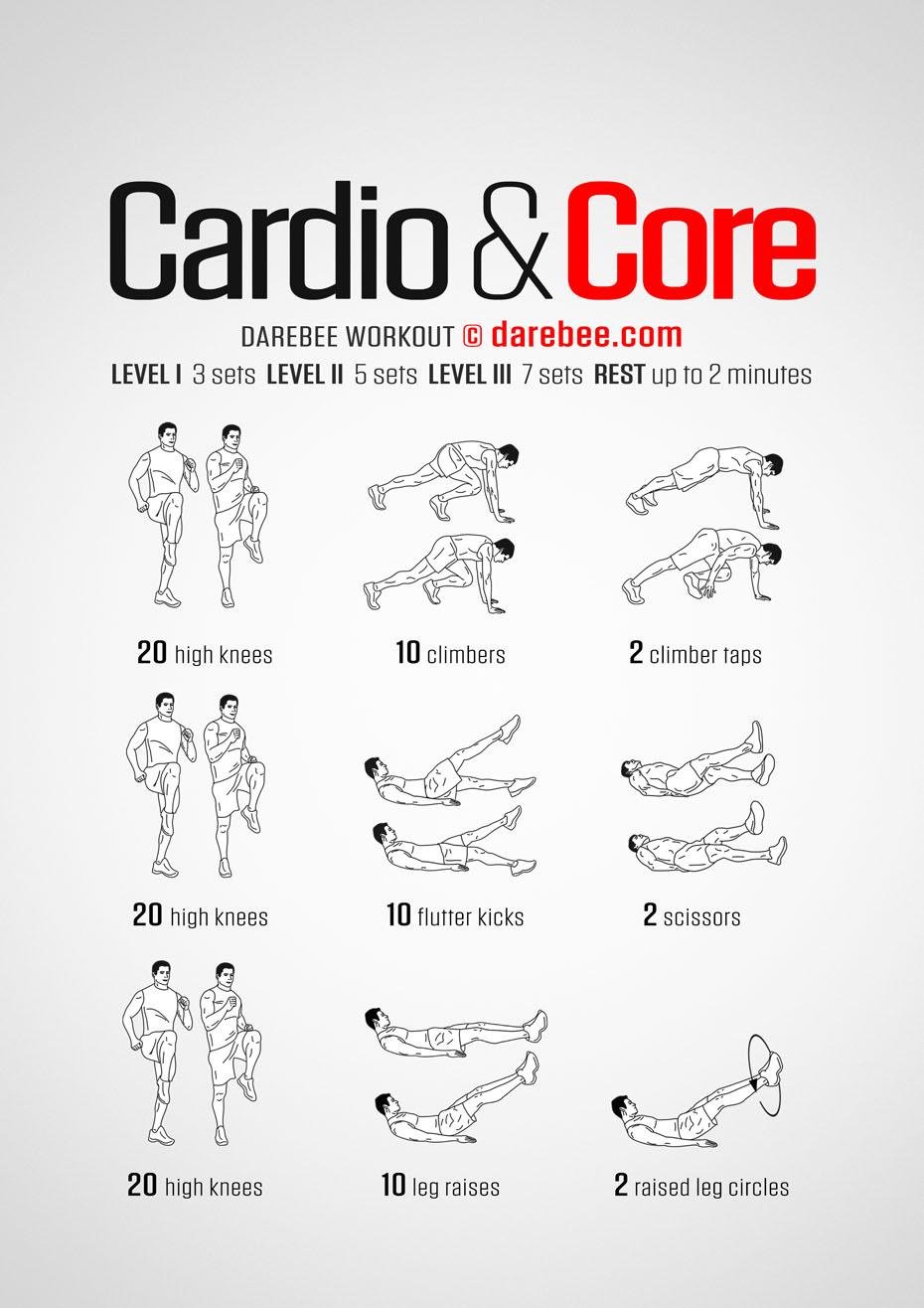
When it comes to maintaining a healthy heart, incorporating effective cardiovascular workouts into your routine is one of teh best natural strategies you can adopt. Cardio exercises not only help strengthen your heart and lungs but also improve circulation, increase stamina, and support overall wellness. In this article, we’ll explore the top cardio workouts that can boost your heart health naturally—no fancy equipment or gym membership required. Whether you’re a beginner or looking to elevate your fitness game, these tried-and-true exercises will have your heart pumping stronger in no time.
Table of Contents
- Effective Cardiovascular Exercises to Elevate Your heart Rate Safely
- Incorporating Interval Training for Maximum Heart Health Benefits
- choosing Low-Impact Cardio Workouts for Joint-Friendly fitness
- Optimizing Frequency and Duration for Sustainable Heart Health Gains
- insights and Conclusions
Effective Cardiovascular Exercises to Elevate Your Heart Rate Safely
Incorporating cardiovascular exercises into your fitness routine doesn’t have to be daunting. activities like brisk walking, cycling, and swimming are excellent ways to gradually increase your heart rate while minimizing the risk of injury.These workouts encourage endurance and stamina, promoting a healthy heart rhythm and improved blood circulation. To maximize benefits, aim for sessions of at least 30 minutes, three to five times per week, adjusting intensity based on your current fitness level.
For those seeking variety and efficiency, interval training offers a powerful approach. Alternating between bursts of higher intensity and periods of recovery accelerates heart rate boosts without overtaxing the body. Try incorporating exercises such as jumping jacks, high knees, or light jogging into your routine.Remember to listen to your body and prioritize proper warm-up and cool-down to safeguard cardiovascular health while challenging your limits.
Incorporating Interval Training for Maximum Heart Health Benefits
Interval training is a dynamic exercise strategy that alternates between intense bursts of activity and fixed periods of less-intense recovery or rest. This method not only keeps your workouts engaging but also maximizes your heart’s efficiency by repeatedly elevating your heart rate to near-peak levels. Research shows that this fluctuation improves cardiovascular strength, increases aerobic capacity, and helps regulate blood pressure more effectively than steady-state cardio. By pushing your heart to adapt during these intervals, you stimulate better heart muscle function and enhanced blood flow throughout your body.
To integrate interval training seamlessly into your routine, consider incorporating these key elements:
- Short bursts: Choose activities like sprinting, cycling, or rowing for 20 to 60 seconds of high intensity.
- Active recovery: Follow intervals with 1 to 2 minutes of light jogging, walking, or slow cycling to help your heart rate recover while staying in motion.
- Consistency: Aim for 20 to 30 minutes per session, 2-3 times per week to see significant cardiovascular improvements.
- Progression: Gradually increase the intensity or duration of your high-intensity bursts as your heart health improves.
Choosing Low-Impact Cardio Workouts for Joint-Friendly Fitness
For individuals seeking to enhance cardiovascular fitness without putting undue stress on their joints, selecting exercises that minimize impact is essential. Activities such as swimming and cycling offer excellent cardiovascular benefits while cushioning the joints against harsh impact forces. Additionally, workouts utilizing an elliptical machine replicate the motion of running but with a smoother, gliding movement that substantially reduces strain on knees and hips. These options are ideal for maintaining consistency in exercise routines, especially for those managing arthritis or recovering from injuries.
incorporating low-impact options into your regimen can create a sustainable path to heart health:
- Water aerobics: Leveraging water resistance for a full-body cardio workout with minimal joint stress.
- Brisk walking: A simple yet effective way to elevate heart rate without jolting the joints.
- Rowing machines: Providing both upper and lower body engagement with smooth, controlled motions.
- Yoga flow sequences: Combining dynamic movement with breath control to promote circulation and endurance.
Optimizing Frequency and Duration for Sustainable Heart Health Gains
Consistent cardiovascular exercise hinges on finding the perfect balance between how often and how long you train. for the average adult aiming to enhance heart health, engaging in moderate-intensity workouts for at least 150 minutes weekly is a sustainable benchmark. This can be easily split into 30 minutes, five days a week, making it manageable without overwhelming the schedule. Conversely, those targeting vigorous exercises can aim for 75 minutes per week, focusing on shorter bursts that challenge the cardiovascular system intensely.
beyond the numbers, the quality of the workout matters just as much as the quantity. Integrating a mix of steady-state cardio with interval sessions not only elevates heart rate variability but also optimizes endurance and recovery. Consider incorporating activities like brisk walking,cycling,or swimming combined with high-intensity intervals of running or jump rope.
- Frequency: Aim for 3-5 sessions weekly to maintain heart muscle strength and improve circulation.
- Duration: Each session should range between 20 to 60 minutes, adjusting intensity to avoid burnout.
- Rest and Variation: Allow days for active recovery and switch up exercises to prevent plateaus and keep motivation high.
Insights and Conclusions
Incorporating effective cardio workouts into your routine is a powerful way to enhance your heart health naturally. Whether you prefer running, cycling, swimming, or high-intensity interval training, the key is consistency and finding activities you enjoy. By prioritizing cardiovascular exercise, you’re not only boosting your heart’s strength and endurance but also supporting your overall well-being. Remember, always listen to your body and consult with a healthcare professional before starting any new fitness program. Here’s to a healthier heart and a more vibrant life—one workout at a time!