
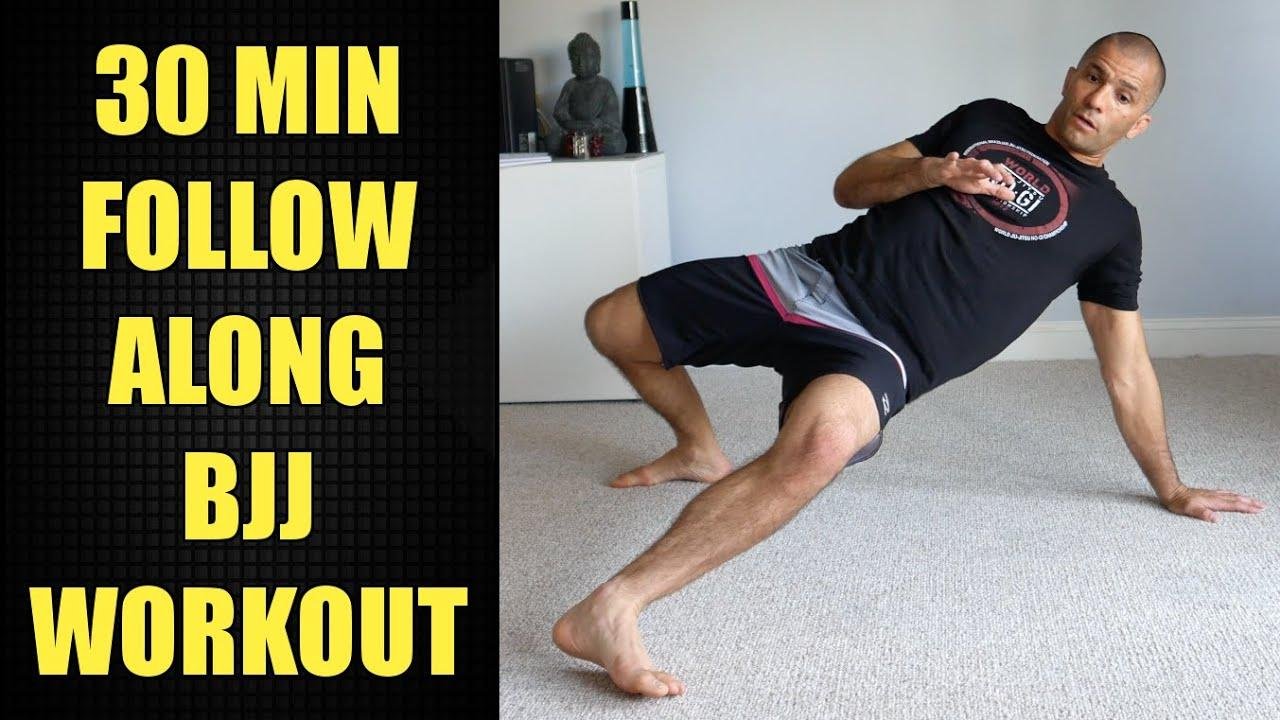
Brazilian Jiu-Jitsu is more than just a martial art—it’s a demanding physical discipline that requires a harmonious blend of strength, technique, and endurance. For practitioners aiming to elevate their game, focusing solely on drilling moves or sparring isn’t enough. Effective workouts designed specifically for Jiu-Jitsu can accelerate progress by building functional strength, improving mobility, and refining technical skills. In this article, we’ll explore targeted training strategies that not only boost your power on the mats but also sharpen your technique, helping you become a more formidable and well-rounded fighter. Whether you’re a beginner or a seasoned competitor, thes workouts will provide the foundation needed to enhance your performance and longevity in the sport.
Table of Contents
- Optimizing Strength Training for Jiu-Jitsu Performance
- Incorporating Technique-Focused Drills into Your Routine
- Balancing Conditioning and Recovery to Maximize Progress
- Tailoring Workouts for Different Skill Levels and Goals
- To Conclude
Optimizing Strength Training for Jiu-Jitsu Performance
To maximize power and explosiveness on the mat, prioritize compound movements that recruit multiple muscle groups simultaneously. Exercises like deadlifts, squats, and pull-ups mimic the dynamic demands of Jiu-Jitsu by engaging your entire body in coordinated effort. Incorporate explosive variations such as power cleans and kettlebell swings to develop fast-twitch muscle fibers, which are crucial for executing sudden, forceful techniques. Strength sessions should be periodized and integrated with skill training to avoid excessive fatigue and optimize recovery.
Equally critically important is targeting muscular endurance and grip strength—two pillars of sustained performance during matches. Use exercises such as farmer’s carries, plate pinches, and rope climbs to build a resilient grip that withstands prolonged gripping battles. Complement these with bodyweight circuits emphasizing core stability and anti-rotational strength, essential for maintaining control and balance. Consistency, progressive overload, and functional specificity form the foundation of an effective routine that translates seamlessly into improved Jiu-Jitsu technique execution.
- Focus on multi-joint lifts: deadlifts, squats, bench presses
- Explosive training: power cleans, plyometric push-ups
- Grip work: farmer’s carries, towel pull-ups
- Core development: planks, hanging leg raises
Incorporating Technique-focused Drills into Your Routine
Consistently sharpening your skill set requires more than just random practice; it demands deliberate focus on specific movements and scenarios. Incorporate *technique-focused drills* that isolate critical aspects of Jiu-jitsu, such as guard passing, submissions, and escapes. These drills can be practiced solo or with a partner and should emphasize precision, control, and proper mechanics over speed.For example, slow-motion repetitions of sweeps or transitions allow muscle memory to develop correctly and reduce the risk of ingraining poor habits. By breaking complex techniques down into manageable segments, you create a foundation that leads to fluidity and adaptability during live rolls.
Prioritize drills that challenge your weaknesses while reinforcing your strengths. This targeted approach will enhance your overall game and prevent stagnation. Keep a rotating checklist of areas to focus on,including:
- Technical stand-up and base stabilization to maintain posture during scrambles.
- Grip fighting drills to control opponents and prepare for submissions.
- Positional transitions that improve flow between dominant controls.
- submission chaining drills to build instinctive attack sequences.
Make these drills a core part of your routine,allotting at least 20-30 minutes per session to technique refinement,complementing your strength and conditioning work for balanced progress.
Balancing Conditioning and Recovery to Maximize Progress
Maximizing progress in jiu-jitsu requires a strategic balance between conditioning workouts and proper recovery periods. Overtraining can lead to diminished performance, increased injury risk, and burnout.By incorporating structured conditioning sessions that focus on endurance, strength, and explosiveness, practitioners can enhance their mat performance without compromising their body’s ability to heal and adapt. Avoid the trap of pushing through fatigue by listening to your body and adjusting intensity accordingly; this ensures that each workout contributes positively to your overall development rather than detracting from it.
Recovery should be treated with the same importance as training itself. Effective strategies include:
- Prioritizing quality sleep for muscle repair and mental clarity.
- Engaging in active recovery methods,such as light mobility drills or gentle yoga.
- Incorporating proper nutrition and hydration to fuel restoration processes.
By deliberately balancing these elements, practitioners can foster an habitat where strength gains and technical improvements not only coexist but accelerate, pushing performance to the next level in a sustainable and injury-free manner.
Tailoring Workouts for Different Skill Levels and Goals
Crafting a workout regimen that aligns with an individual’s proficiency and personal objectives is crucial in jiu-jitsu training. For beginners, the focus should lie in mastering fundamental movements and building a solid aerobic base. This could involve low-impact drills such as controlled shrimping,bridging exercises,and light positional sparring to internalize technique without overwhelming the body. Moreover,beginners benefit from incorporating longer rest periods and emphasizing mobility and joint health to prevent injuries common during the initial stages of training.
Advanced practitioners, conversely, require workouts designed to push their limits, sharpening specific aspects of their game. High-intensity interval training (HIIT) combined with strength circuits targeting explosive power and grip endurance enhances both physical capacity and technical execution under fatigue. Tailored sessions might include:
- Resistance band drills for grip strengthening
- Isometric holds to simulate match pressure
- Complex flow drills to improve transition speed
Prioritizing recovery protocols and periodization becomes equally important to avoid overtraining and ensure peak performance during competitions or peak training cycles.
To Conclude
Incorporating effective Jiu-jitsu workouts into your training regimen is essential for developing both the strength and technique required to excel on the mats. By focusing on targeted exercises that build functional power, endurance, and mobility, you create a solid foundation that supports your skills and reduces the risk of injury. Remember, progress in Jiu-Jitsu is a balance of consistent practice, smart conditioning, and mindful recovery. Commit to a well-rounded workout plan, stay patient with your growth, and you’ll see your performance improve—both physically and technically—over time. Keep pushing forward, and let every session bring you closer to mastery.