
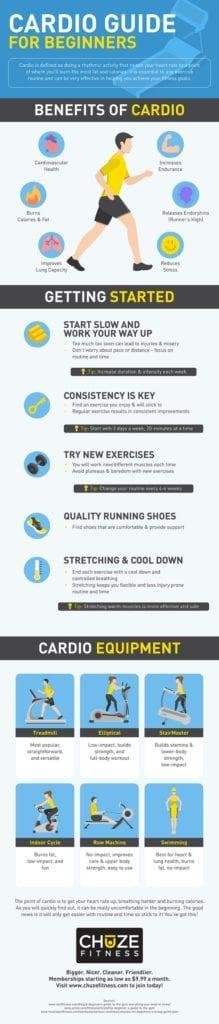
When it comes to maintaining a healthy heart and achieving peak fitness, cardio exercise stands out as one of the most effective tools in your wellness arsenal. Whether your a seasoned athlete or just beginning your fitness journey, understanding how to optimize your cardiovascular workouts can make a meaningful difference in both your heart health and overall stamina. In this article, we’ll explore the top cardio tips that not only boost your heart’s strength but also enhance your endurance, helping you feel more energized and resilient every day.Let’s dive into practical strategies that can transform your cardio routine and support long-term wellbeing.
Table of Contents
- Choosing the Right Cardio Exercises for Your fitness Level
- Optimizing Workout Duration and Intensity for Heart Health
- Incorporating Interval Training to Maximize Cardiovascular Benefits
- Nutritional Strategies to Support Cardio Performance and Recovery
- In Retrospect
Choosing the Right Cardio Exercises for Your Fitness Level
Recognizing your current fitness level is the foundation for selecting cardio exercises that are both effective and safe. Beginners might start with low-impact activities like walking, swimming, or cycling, which provide gentle cardiovascular benefits without overwhelming the body. For intermediate and advanced individuals, incorporating higher-intensity workouts such as running, HIIT (high-Intensity Interval Training), or jump rope can maximize heart health gains and endurance. Tailoring your routine to your personal stamina and joint health not only minimizes injury risk but also fosters consistency, which is key to long-term success.
When deciding on the best cardio workouts, consider a blend of variety and progression to keep motivation high and promote continuous improvement. Mix steady-state cardio sessions with interval training to challenge your heart in diverse ways. Below are some options worth exploring:
- Brisk walking or light jogging for cardiovascular endurance
- Swimming or aqua aerobics for low-impact, full-body conditioning
- Cycling, either outdoors or on a stationary bike
- HIIT workouts combining short bursts of intense effort with recovery periods
- Group classes like dance cardio or spin for social engagement and motivation
Ultimately, listening to your body and adjusting intensity as needed ensures that your cardio regimen supports heart health without compromising overall wellness.
Optimizing Workout Duration and Intensity for Heart Health
Striking the right balance between workout duration and intensity is crucial for maximizing cardiovascular benefits without overtaxing the heart. Experts recommend engaging in at least 150 minutes of moderate-intensity aerobic exercise weekly, or 75 minutes of vigorous activity. However, the quality of your sessions plays an equally important role. Incorporating interval training—alternating short bursts of high-intensity effort with recovery periods—can enhance heart function and improve endurance faster than steady-state cardio alone. Remember, listening to your body and gradually progressing in intensity helps prevent injury while sustaining long-term heart health.
When designing your cardio routine, consider these key points for optimal outcomes:
- Start with a warm-up to prepare your heart and muscles for increased demand.
- Focus on consistency, aiming for at least 3 to 5 sessions per week.
- Mix intensities by blending moderate and high-intensity intervals.
- Monitor your heart rate to ensure you’re working within your target zones safely.
- Cool down properly to gradually lower your heart rate and prevent dizziness.
incorporating Interval Training to Maximize Cardiovascular benefits
Interval training is a dynamic approach to cardio that alternates between periods of high-intensity effort and recovery. This method challenges your cardiovascular system more efficiently than steady-state cardio, promoting greater improvements in heart health and endurance. By incorporating bursts of intense activity followed by slower recovery phases, your heart learns to adapt rapidly, increasing its capacity to pump blood and oxygen throughout the body. This boost in cardiovascular function not only enhances aerobic fitness but also accelerates calorie burning, making it an ideal strategy for those looking to optimize both health and weight management.
to get started effectively, consider including the following elements in your interval sessions:
- Warm-up: Begin with 5-10 minutes of light cardio to prepare your heart and muscles.
- High-intensity bursts: Push yourself to 80-90% of your max effort for 30 seconds to 2 minutes.
- Recovery periods: Follow with 1-3 minutes of low-intensity activity to catch your breath and reset.
- Repetition: Alternate these intervals 4-10 times depending on your fitness level.
- cool down: End with 5-10 minutes of gentle movement to safely bring your heart rate back to baseline.
nutritional Strategies to Support Cardio Performance and Recovery
Fueling your body with the right nutrients plays a pivotal role in enhancing cardiovascular performance and speeding up recovery after intense workouts.Prioritize complex carbohydrates such as oats, quinoa, and sweet potatoes to provide sustained energy for endurance sessions. Incorporating lean proteins like chicken, fish, or plant-based alternatives aids in muscle repair and reduces inflammation. Don’t overlook the importance of hydration; drinking water enriched with electrolytes can help maintain optimal blood volume and prevent fatigue during prolonged cardio activities.
Additionally,certain micronutrients can provide an extra edge in heart health and recovery:
- Omega-3 fatty acids: Found in fatty fish,flaxseeds,and walnuts,these support vascular function and combat oxidative stress.
- Antioxidants: Berries, dark leafy greens, and nuts help mitigate exercise-induced damage and promote faster tissue healing.
- Magnesium: Vital for muscle relaxation and energy production, this mineral is abundant in legumes, whole grains, and leafy vegetables.
Balancing these elements within your diet ensures your cardiovascular system is well-supported both during activity and in recovery phases.
In Retrospect
incorporating these top cardio tips into your routine can make a profound difference in your heart health and overall fitness. Remember, consistency and gradual progression are key to unlocking the full benefits of cardiovascular exercise. Whether you’re just starting out or looking to refine your approach, prioritizing your heart’s well-being is one of the most rewarding investments you can make. stay committed,listen to your body,and enjoy the journey toward a stronger,healthier you. Here’s to a heart-smart lifestyle that keeps you moving with vitality for years to come!