
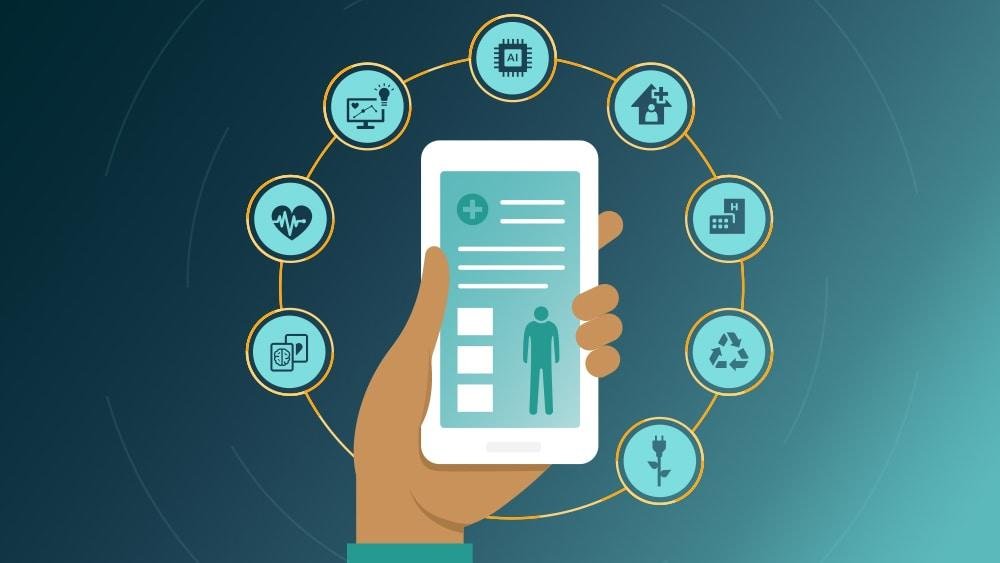
In today’s rapidly evolving world, technology is redefining the landscape of healthcare, making it more accessible and efficient than ever before. From telemedicine and mobile health apps to artificial intelligence and electronic health records, technological advancements are bridging the gaps between patients and providers, breaking down barriers related to geography, cost, and time. This article explores how innovative tools and digital solutions are transforming healthcare delivery, enhancing access for diverse populations, and ultimately improving health outcomes on a global scale. Whether you’re a healthcare professional, policymaker, or simply curious about the future of medicine, understanding the role of technology in healthcare access is essential in navigating this new era of medical care.
Table of Contents
- Improving Patient Connectivity Through telemedicine Platforms
- Leveraging Artificial Intelligence for Early Diagnosis and personalized Care
- Integrating Mobile health Applications to Support Chronic Disease Management
- Implementing Secure Data Systems to Protect patient Privacy and Enhance Trust
- The Conclusion
Improving Patient Connectivity Through Telemedicine Platforms
Telemedicine platforms have revolutionized the way healthcare providers connect with patients, breaking down conventional barriers related to geography and mobility.By leveraging secure video conferencing tools and real-time dialog systems, medical professionals can now offer consultations, follow-ups, and even remote monitoring with unmatched convenience and efficiency. This transformation not only enhances access for patients in rural or underserved areas but also supports those with chronic conditions who need frequent check-ins without the burden of travel.
Key advantages include:
- Improved appointment adherence due to flexible scheduling and reduced travel time
- faster diagnosis and intervention through instant access to specialists
- Enhanced patient engagement via continuous virtual support and education
Ultimately, technology-driven platforms foster a more connected healthcare ecosystem where patient needs are met promptly and holistically, redefining the standards of modern care delivery.
Leveraging Artificial intelligence for Early Diagnosis and Personalized Care
Artificial Intelligence (AI) is revolutionizing the healthcare landscape by enabling earlier and more accurate diagnosis of diseases. Advanced machine learning algorithms analyze vast amounts of medical data—including imaging,genetic profiles,and electronic health records—to detect subtle patterns that often elude human observation. This capability allows healthcare professionals to intervene sooner, improving patient outcomes considerably. Moreover, AI-driven diagnostic tools enhance accessibility in underserved regions by supporting remote screening and triage, bridging gaps where specialist expertise is scarce.
Beyond diagnostics, AI is transforming treatment delivery through personalized care plans tailored to each patient’s unique biological and lifestyle factors.By integrating predictive analytics and real-time monitoring, healthcare systems can:
- Optimize medication management to minimize side effects and maximize effectiveness
- Customize rehabilitation programs based on patients’ progress and response
- Enable dynamic risk assessment that adapts to changing health conditions
This individualized approach not only improves therapeutic efficacy but also enhances patient engagement, fostering a proactive partnership between individuals and their care providers.
Integrating Mobile Health Applications to Support Chronic Disease management
Mobile health applications have revolutionized the way patients manage chronic conditions by offering personalized, real-time support beyond traditional clinical settings. These apps empower patients to actively engage with their health data, enabling better symptom tracking, medication adherence, and tailored lifestyle modifications. Through intuitive interfaces and seamless integration with wearable devices, users can monitor key metrics such as blood glucose levels, blood pressure, or physical activity, fostering a proactive approach to disease management that enhances overall well-being.
Key advantages of leveraging mobile health tools include:
- Improved communication with healthcare providers via instant data sharing and remote consultations
- Enhanced patient education through interactive modules and personalized recommendations
- Reduction in hospital readmissions by facilitating timely interventions based on app-generated alerts
- Greater accessibility for underserved populations, bridging gaps created by geographical and socioeconomic barriers
As technology continues to evolve, these applications hold promising potential to transform chronic disease management into a more dynamic, patient-centered experience that optimizes health outcomes while reducing overall care costs.
Implementing Secure Data Systems to Protect Patient Privacy and Enhance Trust
In the digital age, safeguarding patient information is paramount to upholding ethical standards and maintaining trust within healthcare. Advanced encryption protocols, multi-factor authentication, and real-time threat detection frameworks are now integral components of modern health data management. These technologies work in tandem to create a resilient infrastructure that guards sensitive medical records against unauthorized access and cyber threats, ensuring that privacy remains uncompromised. By adopting these fortified systems, healthcare providers not only comply with regulatory mandates such as HIPAA but also foster a culture of security-conscious care.
Beyond technical safeguards, a holistic approach includes continuous staff training and clear patient communication. Key strategies include:
- Regular security audits to identify vulnerabilities before they can be exploited.
- Role-based access controls limiting data exposure strictly to essential personnel.
- Patient consent management systems that empower individuals to control their own data sharing preferences.
By embedding these measures within healthcare workflows, organizations not only shield patient privacy but also strengthen the trust that underpins the provider-patient relationship, enabling better health outcomes through secure and confident data exchanges.
The Conclusion
technology continues to play a pivotal role in transforming healthcare access, breaking down traditional barriers, and enabling more equitable, efficient, and patient-centered care.From telemedicine to AI-driven diagnostics,the innovations of today are reshaping how healthcare services are delivered and experienced. As we move forward, it is essential for stakeholders—including policymakers, providers, and technologists—to collaborate in harnessing these advancements responsibly and inclusively. By doing so,we can ensure that the promise of enhanced healthcare access becomes a reality for all,ultimately improving health outcomes on a global scale.