
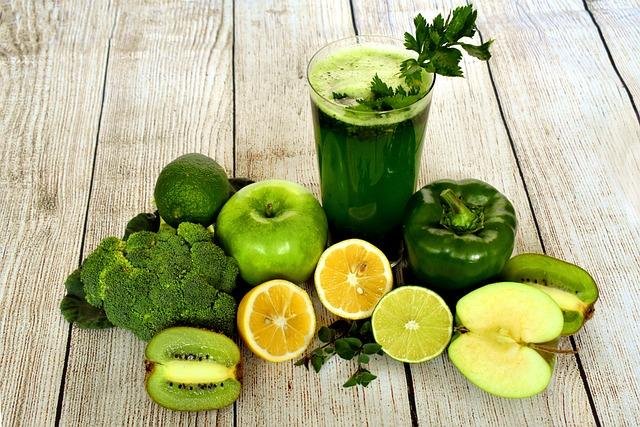
If you’ve ever scrolled through social media or peeked at the latest health trends, chances are you’ve come across juice cleanses and detox diets promising a fresh start for your body. They sound tempting—after all, who wouldn’t want to hit the reset button, flush out toxins, and feel instantly energized? But beyond the colorful bottles and catchy taglines, what’s really going on inside your body when you embark on a juice cleanse? In this post, we’re diving into the juicy details to separate fact from fiction and help you understand what these trendy detoxes really mean for your health. Grab your favorite smoothie and let’s get into it!
Table of Contents
- Understanding How Juice Cleanses Affect Your Digestive System
- The Science Behind Detoxing Myth versus Reality
- What Your Body Needs During and After a Juice Cleanse
- Tips for Choosing a Safe and Effective Juice Cleanse Plan
- In Retrospect
Understanding How Juice Cleanses Affect Your Digestive System
When you embark on a juice cleanse, your digestive system undergoes a notable shift. Rather of breaking down complex foods rich in fiber, protein, and fats, your gut is primarily processing liquids packed with vitamins, minerals, and enzymes. This can give your digestive tract a bit of a “rest” from its usual workload. However, it’s important to note that while a reduced intake of solid foods can ease mechanical digestion, your digestive enzymes are still hard at work breaking down the natural sugars and acids found in fresh juices. This change may lead to temporary shifts in bowel movements and intestinal habitat, often perceived as cleansing or detox effects.
Here are some key ways your digestive system responds during a juice cleanse:
- Altered digestive secretions: The stomach produces fewer gastric acids and enzymes since it deals less with complex foods.
- Gut microbiome shifts: Rapid changes in diet can impact beneficial gut bacteria,sometimes reducing populations dependent on fiber.
- Smoother bowel activity: Liquids pass more quickly through the intestines, which can lead to increased frequency or looseness of stools.
The Science Behind Detoxing Myth versus Reality
Detoxing has become a buzzword in wellness circles, frequently enough portrayed as a magical process that rids your body of harmful toxins in just a few days.Scientifically, however, the human body is equipped with its own highly efficient detox system, primarily involving the liver, kidneys, lungs, and skin. These organs work around the clock to neutralize and eliminate waste products without needing a special juice cleanse or detox protocol. While advocates of juice cleanses claim amazing health benefits, research shows that what we perceive as “toxins” are often just normal metabolic byproducts that the body manages naturally.
That said, juice cleanses can still offer some indirect benefits.Such as, many people consume fewer processed foods and added sugars during a cleanse, which can lead to increased hydration and a temporary boost in energy. But it’s important to know that these improvements stem more from what you’re cutting out—such as excessive caffeine, alcohol, and junk food—rather than any miraculous purging effect of the juices themselves. Here’s what you should keep in mind:
- Myth: Your body accumulates toxins that need to be flushed out frequently.
- Reality: Your liver and kidneys efficiently process most waste daily.
- Myth: Juice cleanses detoxify your body quickly and safely.
- Reality: Nutritional imbalance during cleanses can cause fatigue and nutrient deficiencies.
- Myth: Detoxing improves long-term health and weight management.
- Reality: Sustainable lifestyle changes matter far more than short-term cleanses.
What your Body Needs During and After a Juice Cleanse
During a juice cleanse, your body enters a delicate state of detoxification, where it’s crucial to support its natural functions. Hydration is key—water helps flush out toxins and keeps organs functioning optimally.Along with juices, sipping herbal teas or adding a pinch of sea salt to water can help replenish electrolytes lost during the cleanse.Your body also craves micronutrients like vitamins and minerals to sustain energy levels and boost immunity. This means the juices should be colorful and varied, incorporating greens, beets, carrots, and citrus fruits to provide a balanced spectrum of antioxidants and nutrients.
Once the cleanse ends, it’s vital to ease back into solid food thoughtfully to avoid shocking your digestive system. Start with light, easy-to-digest meals such as steamed veggies, broths, or fruits. Incorporating probiotic-rich foods like yogurt or kimchi can nurture your gut bacteria, which might feel imbalanced after days of juicing alone. Don’t forget to keep your meals rich in fiber and protein to rebuild muscle and maintain steady energy. Listening to your body’s signals and gradually reintroducing complex foods ensures a smoother transition and helps sustain the benefits you gained during your cleanse.
- Stay hydrated with water and herbal teas
- Include a variety of colorful juices for diverse nutrients
- Easily digestible foods post-cleanse to reawaken digestion
- Probiotic foods for gut health restoration
- Gradually reintroduce fiber and protein for lasting energy
Tips for Choosing a Safe and Effective Juice Cleanse Plan
When selecting a juice cleanse,it’s crucial to prioritize nutritional balance to ensure your body still receives essential vitamins and minerals. Look for plans that include a diverse range of fruits and vegetables, especially those rich in antioxidants and fiber, to help support digestion and overall wellness.Avoid cleanses that promise rapid weight loss or involve extreme calorie restrictions, as these can do more harm than good and leave you feeling fatigued or irritable.Additionally,seek out programs that provide clear guidelines on how long to cleanse and how to gently transition back to solid food to avoid shocking your system.
another helpful tip is to check for transparency and quality in the ingredients and sourcing of the juices. Organic and cold-pressed options often retain more nutrients and avoid pesticides or additives that may counteract the detox benefits you’re after. Make sure the cleanse you’re considering encourages hydration with water, herbal teas, or broths alongside juices to support kidney function and electrolyte balance. Lastly, consult with a healthcare professional if you have any underlying health conditions or concerns, ensuring the chosen plan aligns with your unique needs and lifestyle.
In Retrospect
And ther you have it—a closer look at what actually happens inside your body during a juice cleanse or detox. While these trends can feel like a reset button for your system, remember that your body is already pretty great at cleaning house on its own. If you’re curious about trying a cleanse, listen to your body, stay hydrated, and maybe chat with a healthcare pro to find what works best for you. Ultimately, the healthiest approach is one that’s balanced, sustainable, and makes you feel good inside and out. Cheers to making informed choices and treating yourself with kindness!