
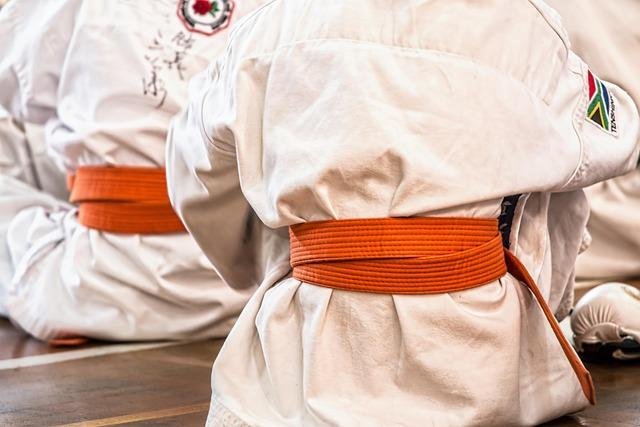
In a world where fitness trends come and go,karate stands as a timeless discipline that transcends mere physical exercise. Mastering strength through karate workouts offers more then just muscle power—it cultivates mental resilience,improved focus,and a deeper connection between body and mind. Whether you’re a seasoned martial artist or a fitness enthusiast looking to diversify your routine, understanding the unique benefits of karate training can transform your approach to strength and conditioning. In this article, we’ll explore how karate workouts build functional strength, enhance overall health, and empower practitioners to achieve peak performance both inside and outside the dojo.
Table of Contents
- The Role of Karate in Building Functional Strength
- Enhancing Muscle Endurance Through Dynamic Kicks and Punches
- Strategic Training techniques to Maximize Strength Gains
- integrating Karate workouts into a Balanced Fitness Regimen
- Concluding Remarks
The Role of Karate in Building Functional Strength
Karate transcends conventional strength training by emphasizing functional strength, a type of power that directly translates to everyday movements and real-life situations. Unlike conventional weightlifting,wich often isolates muscle groups,karate integrates the entire body—focusing on fluid motion,balance,and explosive power. This holistic approach not only builds muscle but also enhances coordination, endurance, and joint stability, making practitioners more resilient and agile.Every kick, punch, and block is designed to engage multiple muscles together, conditioning the body to respond swiftly and efficiently under pressure.
Practicing karate develops several key aspects of functional strength, such as:
- Core Stability: Maintaining posture during dynamic movements strengthens deep abdominal and back muscles.
- Explosive Power: Rapid strikes condition fast-twitch muscle fibers crucial for bursts of strength.
- Balance and Coordination: Complex stances and transitions enhance nervous system efficiency and muscle responsiveness.
- grip and Forearm Strength: Essential for holding and controlling techniques in close-quarter combat.
The synergy between these elements fosters a form of strength that is versatile and practical, equipping individuals with the physical readiness required for both self-defense and athletic pursuits.
Enhancing Muscle Endurance Through Dynamic Kicks and Punches
Building muscle endurance is crucial for any martial artist aiming to maintain power and precision throughout extended training sessions or combat scenarios. Dynamic kicks and punches engage multiple muscle groups simultaneously, increasing their stamina while improving coordination and balance. Unlike static exercises, these explosive movements activate both fast-twitch and slow-twitch muscle fibers, contributing to enhanced muscular resilience and reduced fatigue over time. Incorporating varied striking techniques promotes continuous muscle adaptation, which is essential for long-lasting performance betterment.
To maximize endurance gains, focus on incorporating these practices into your routine:
- Repetitive Drills: High-repetition sets of kicks and punches develop stamina by pushing muscles through sustained effort.
- Interval Training: Alternating between intense striking bursts and active recovery phases further conditions muscle endurance and cardiovascular health.
- Full-Body Engagement: Utilizing the core, legs, and arms together ensures holistic muscle endurance rather than isolated strength.
- Progressive Overload: Gradually increasing speed and power challenges muscles continuously, preventing plateaus.
Strategic Training techniques to Maximize Strength Gains
To unlock your full potential in strength advancement,integrating targeted training methodologies within karate practice is essential. Emphasizing progressive overload ensures continuous improvement by gradually increasing the intensity and complexity of techniques. Incorporating compound movements such as deep squats, explosive punches, and swift kicks targets multiple muscle groups simultaneously, building functional power that directly translates to real-world performance. Additionally, focusing on form and controlled breathing enhances muscle activation and prevents injury, allowing longer, more effective training sessions.
Complementing your physical regimen with strategic rest periods and variability in training routines stimulates muscle adaptation and combats plateaus. Techniques like plyometric drills, isometric holds, and dynamic resistance exercises amplify neuromuscular coordination and increase fast-twitch muscle fiber recruitment.Consider integrating:
- Interval training for endurance and explosive power development.
- Core stabilization exercises to support balance and force generation.
- Mobility drills fostering agility and injury prevention.
This multifaceted approach not only maximizes strength gains but also refines the precision and speed intrinsic to karate, transforming raw power into controlled, efficient movement.
Integrating Karate Workouts into a Balanced Fitness Regimen
To truly optimize your physical conditioning, it’s essential to blend karate workouts seamlessly with other forms of exercise. Karate training not only builds explosive strength and agility but also sharpens mental focus and endurance. By incorporating it alongside cardiovascular activities like running or cycling, you enhance heart health and stamina, creating a well-rounded fitness routine. Additionally, resistance training complements karate by increasing muscular power, allowing you to execute strikes and blocks with even greater force. This multidimensional approach ensures that no aspect of your strength or fitness is neglected, promoting holistic development.
When structuring your regimen, consider key factors that balance intensity and recovery:
- Variation: Rotate between karate sessions, strength training, and aerobic workouts to prevent overuse injuries and maintain motivation.
- Flexibility: Incorporate stretching and mobility drills to preserve joint health and fluid movement essential for martial techniques.
- Recovery: Prioritize rest days and active recovery methods like yoga or light swimming to rebuild muscle and avoid burnout.
Such deliberate scheduling creates synergy between disciplines,resulting in enhanced performance,resilience,and a sustainable path toward mastering strength through karate.
Concluding Remarks
mastering strength through karate workouts offers more than just physical power—it cultivates discipline, mental resilience, and overall well-being. Embracing the rigorous training and mindful practice inherent in karate not only transforms your body but also sharpens your focus and boosts confidence. Whether you’re a beginner or an experienced martial artist, integrating karate into your fitness routine can unlock a profound, balanced form of strength that transcends the dojo. Commit to the journey,and experiance the lasting benefits that come from truly mastering strength through karate.