
In today’s fast-paced world, where stress and emotional challenges have become increasingly common, prioritizing mental health is more crucial than ever. Therapy has emerged as a vital tool in managing mental well-being, offering individuals a safe space to explore their thoughts, emotions, and behaviors. But what exactly makes therapy such a cornerstone of effective mental health management? In this article,we’ll delve into the transformative role therapy plays — from providing emotional support to equipping people with practical strategies — and explore how it can pave the way toward lasting mental wellness. Whether you’re considering therapy for the first time or looking to understand its benefits better, this guide aims to shed light on why therapy matters in the journey to mental health.
Table of Contents
- Understanding Therapy Modalities and Their Impact on Mental Health
- Integrating Therapy with Medication and Lifestyle Changes for Holistic Care
- Building a Strong Therapeutic Alliance: Key to Successful Outcomes
- Practical Tips for Choosing the Right Therapist and Maximizing Sessions
- In Retrospect
Understanding Therapy Modalities and their Impact on Mental Health
When exploring the diverse landscape of therapeutic approaches, it’s essential to recognize how each modality caters to distinct psychological needs. From cognitive-behavioral therapy (CBT),which emphasizes restructuring negative thought patterns,to psychodynamic therapy,focusing on uncovering unconscious motivations,the variety offers personalized pathways to healing. group therapy provides communal support and shared experiences,fostering connection and understanding,while mindfulness-based therapy enhances present-moment awareness,reducing stress and promoting emotional balance.These modalities are not mutually exclusive; often, therapists integrate multiple approaches to tailor treatment plans that align with individual goals and circumstances.
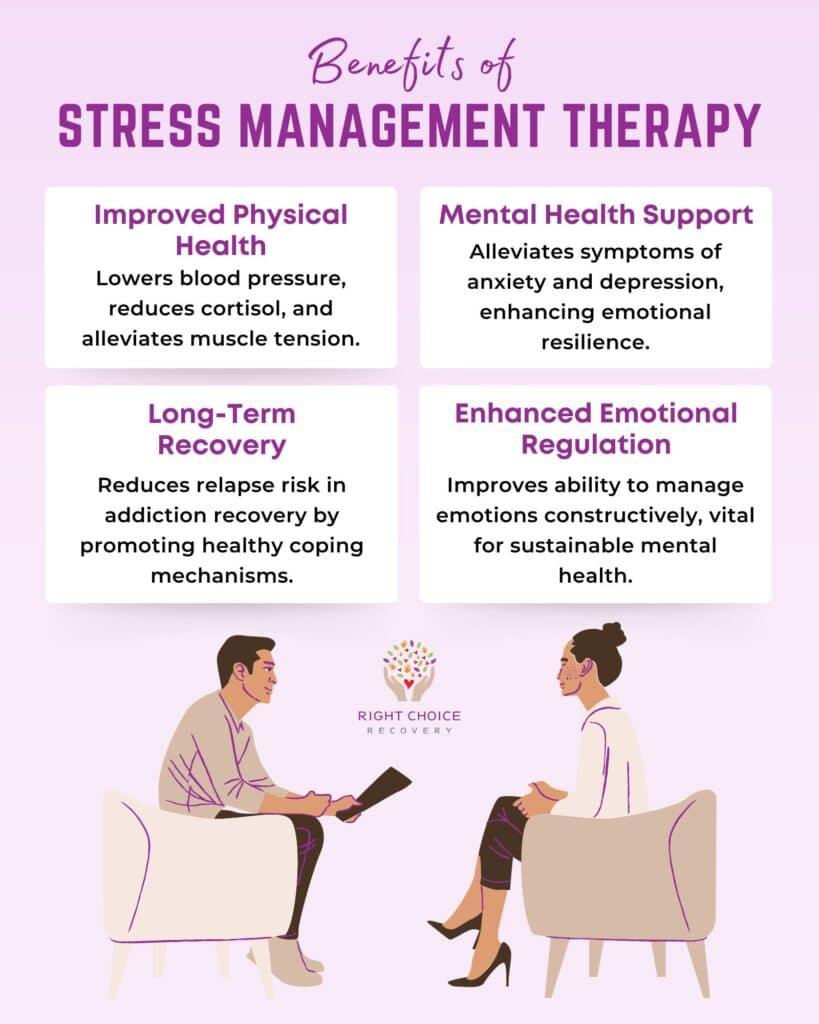
Understanding the impact of these therapies on mental health extends beyond their theoretical frameworks—it’s about measurable change. Effective therapy facilitates:
- Improved emotional regulation and resilience
- Enhanced self-awareness and personal insight
- Reduction in symptoms such as anxiety, depression, and trauma-related distress
- Development of healthier coping mechanisms
Each of these outcomes contributes to a more empowered individual capable of navigating life’s challenges with renewed strength. The key lies in selecting a modality that resonates with the unique psychological makeup and needs of the person seeking support, underscoring the transformative potential inherent in therapy.
Integrating Therapy with Medication and Lifestyle Changes for Holistic Care
Achieving optimal mental health often requires a multi-faceted approach,where therapy complements medication and lifestyle adjustments to create a extensive support system. While medication can provide necessary biochemical balance and symptom relief,therapy equips individuals with coping skills,emotional insight,and behavioral strategies that foster long-term resilience. This synergy allows for addressing both the physiological and psychological dimensions of mental well-being, ensuring treatment is personalized and adaptive to evolving needs.
Incorporating lifestyle changes alongside therapy and medication significantly enhances outcomes by empowering individuals to take an active role in their recovery journey. Key aspects include:
- Regular physical activity: promotes neurochemical balance and stress reduction.
- Balanced nutrition: Supports brain function and emotional stability.
- Consistent sleep patterns: Crucial for mood regulation and cognitive performance.
- Mindfulness practices: Enhance self-awareness and decrease anxiety.
By weaving together these elements—therapeutic intervention, medication, and proactive lifestyle choices—mental health management transforms from episodic care to a sustained, empowering process that acknowledges the whole person.
building a strong Therapeutic Alliance: Key to Successful Outcomes
Establishing a deep connection between therapist and client is the cornerstone of transformative therapy. This partnership thrives on mutual trust, respect, and open communication, laying the groundwork for a safe environment where vulnerability can flourish. When clients feel genuinely heard and understood, they are more likely to engage fully in the therapeutic process, leading to enriched self-awareness and meaningful progress.
Several elements contribute to forging this powerful bond,including:
- Empathy: The therapist’s ability to see the world through the client’s eyes fosters emotional validation.
- Collaboration: Working together to set goals and tailor interventions ensures the therapy aligns with the client’s unique needs.
- Consistency: Regular sessions and dependable presence reinforce a sense of stability and support.
- Transparency: Open conversations about therapy techniques and expectations empower clients to take an active role.
When these factors converge, the therapeutic alliance becomes a dynamic force that not only supports healing but also propels clients towards enduring change.
Practical Tips for Choosing the Right Therapist and maximizing Sessions
Choosing the right therapist isn’t just about credentials or proximity; it’s about finding someone with whom you feel understood and supported. Begin by identifying your specific needs—whether it’s trauma, anxiety, depression, or relationship challenges—and look for specialists in those areas. Ask questions upfront regarding their therapeutic approach,experience,and session format to ensure alignment with your preferences. Trust your intuition during initial consultations; a genuine connection and comfort level often pave the way for more productive therapy outcomes.
Maximizing each session requires preparation and active engagement. Come with clear goals or topics to discuss, and don’t hesitate to be open about your feelings and progress. Between appointments, try journaling or practice techniques suggested by your therapist to reinforce growth. Remember,therapy is a collaborative journey. Regular feedback about what’s working or what feels challenging can help tailor the experience to your evolving needs, making each session a meaningful step toward mental wellness.
In Retrospect
therapy plays a pivotal role in effective mental health management by providing individuals with the tools, support, and insights needed to navigate life’s challenges. Whether it’s addressing anxiety,depression,or more complex conditions,professional therapeutic guidance fosters resilience,self-awareness,and emotional well-being. Embracing therapy not only helps in alleviating immediate distress but also empowers long-term growth and healthier coping strategies. As mental health continues to gain the recognition it deserves, incorporating therapy into your wellness journey can be a transformative step toward lasting balance and fulfillment.