
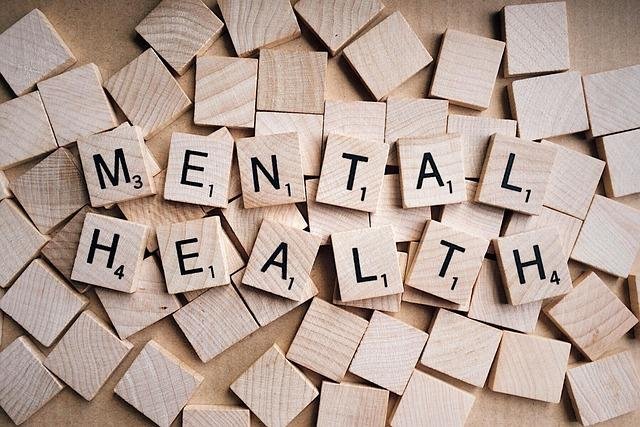
In recent years,conversations around mental health have gained much-needed momentum,breaking long-standing stigmas and encouraging open dialog. Yet, despite these advances, mental health awareness remains a critical topic that deserves our continuous attention and understanding. In this article, we’ll explore why raising awareness about mental health matters so profoundly—not just for those directly affected, but for society as a whole. From improving access to care to fostering empathy, this vital discussion can transform lives and communities in meaningful ways. Whether you’re personally impacted or simply interested in promoting well-being, understanding the importance of mental health awareness is a step toward a healthier, more inclusive future.
Table of Contents
- Understanding the Impact of Mental Health on Overall Wellbeing
- Breaking the Stigma Surrounding Mental Health in Society
- Implementing Effective Strategies for Mental Health Support
- Fostering inclusive Environments for Open mental Health Conversations
- Wrapping Up
Understanding the Impact of Mental Health on Overall Wellbeing
Mental health is an integral component of our overall wellbeing, influencing how we think, feel, and behave in daily life. It affects our ability to handle stress, relate to others, and make choices, all of which contribute to a balanced lifestyle. When mental health is compromised, it frequently enough manifests in physical symptoms such as fatigue, headaches, or weakened immunity, highlighting the intricate connection between mind and body. Understanding this relationship is essential for fostering resilience and promoting a holistic approach to health.
Addressing mental health challenges involves more than just treatment; it requires creating environments that support psychological wellness. Key factors that impact mental wellbeing include:
- Social connections and supportive relationships
- Access to mental health resources and education
- Healthy lifestyle choices, including nutrition and exercise
- Work-life balance and stress management techniques
By recognizing these elements, individuals and communities can cultivate a culture that destigmatizes mental health issues, encourages open dialogue, and prioritizes preventative care as much as intervention.
Breaking the Stigma Surrounding Mental Health in Society
mental health is often misunderstood, leading to misconceptions and unfair judgments that can isolate those who are struggling. It is essential to recognize that mental health challenges are not a sign of weakness or personal failure but an integral part of human experience. By fostering an habitat of empathy and openness, we can create safe spaces where individuals feel comfortable seeking help without fear of being judged or marginalized. Addressing the stigma means challenging outdated stereotypes and educating communities about the science and realities behind mental health conditions.
To effectively transform society’s perception, we need collective effort focused on:
- Promoting accurate data through media and education
- Encouraging conversations that normalize mental health topics
- Supporting mental health policies that increase accessibility to care
- Highlighting stories of recovery and resilience to inspire hope
These steps not only empower those affected but also cultivate a culture of compassion where mental well-being is valued as much as physical health.
Implementing Effective Strategies for Mental Health Support
Creating a supportive environment for mental health begins with dialogue and education. Organizations and communities must prioritize open dialogues that destigmatize mental health challenges, fostering trust and understanding among individuals. This can be achieved through regular training sessions, workshops, and inclusive conversations that encourage people to share their experiences without fear of judgment. Additionally, leaders and managers should be equipped to recognize early signs of mental distress and be prepared to guide affected individuals toward appropriate resources or professional help.
Beyond awareness, implementing practical measures ensures that support is tangible and accessible.consider integrating the following strategies into yoru mental health initiatives:
- Confidential counseling services: Provide access to professional counselors or therapists either in-house or through partnerships.
- Flexible work arrangements: Allow remote work options or adjusted schedules to reduce stress and promote work-life balance.
- Peer support groups: Establish safe spaces where individuals can connect and share coping techniques.
- wellness programs: Integrate activities such as mindfulness sessions, physical exercise, and stress management workshops.
fostering Inclusive Environments for Open Mental Health Conversations
Creating spaces where mental health discussions can thrive begins with embracing an ethos of authenticity and acceptance. When people feel seen and valued without judgment, the stigma that often shrouds mental health topics starts to dissolve. Implementing simple yet powerful gestures—such as using inclusive language, actively listening without interruption, and acknowledging diverse experiences—lays the foundation for meaningful exchanges. Leaders and community members alike play pivotal roles by modeling vulnerability and encouraging others to share their stories, reinforcing that speaking openly about mental health is both safe and encouraged.
Practical approaches to nurture inclusivity might include:
- Hosting regular forums or support groups that welcome dialogue from all backgrounds and perspectives
- Providing accessible resources and education tailored to different cultural contexts and learning styles
- Ensuring confidentiality and respect to build trust within communities
- Encouraging collaboration between mental health professionals, workplaces, schools, and grassroots organizations
By embedding these practices into everyday interactions and organizational cultures, we construct resilient environments that empower individuals at every level to engage openly, fostering a collective movement toward better mental wellbeing.
Wrapping Up
fostering mental health awareness is more than just a conversation—it’s a crucial step toward building a more compassionate and understanding society. By acknowledging the importance of mental well-being, we break down harmful stigmas and create spaces where individuals feel supported and empowered to seek help. As we continue this vital discussion, let’s commit to sharing knowledge, promoting empathy, and advocating for accessible mental health resources. After all, awareness is the foundation on which true progress is built.