
In today’s fast-paced world, where stress and distractions are constant companions, prioritizing quality sleep has become more essential than ever. Beyond just rest,a good night’s sleep plays a crucial role in enhancing your mental well-being every single day. From improving mood and cognitive function to reducing anxiety and boosting emotional resilience, the impact of restorative sleep on your mental health is profound and scientifically backed. In this article, we’ll explore how embracing quality sleep can transform your daily mental state and provide practical tips to help you unlock its full benefits.
Table of Contents
- The Science Behind Sleep and Mental Health Connection
- How Restorative Sleep Enhances Cognitive Function and Emotional resilience
- Daily Habits to Cultivate Quality Sleep for Improved Mental Well-Being
- Practical strategies to Overcome Sleep Disruptions and Maintain Consistency
- Final Thoughts
The Science Behind Sleep and Mental Health Connection
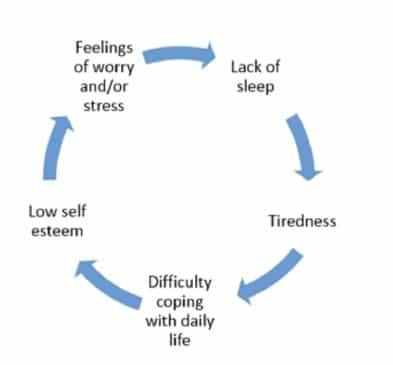
Sleep is far more than a period of rest. It acts as a vital regulator for brain functions that directly impact our emotional and cognitive health. During deep sleep phases, the brain undergoes processes like memory consolidation and toxin clearance, which are crucial for maintaining optimal mental performance. Additionally, the balance of neurotransmitters—chemicals responsible for nerve signaling—depends heavily on consistent, high-quality sleep.disruptions in this delicate balance can contribute to heightened stress levels, anxiety, and even depression, highlighting why sleep should be considered a cornerstone of mental health care.
Scientific research has identified several key benefits linking sleep to mental well-being, including:
- Emotional regulation: Sound sleep enhances the brain’s ability to manage emotional responses and reduce mood swings.
- Cognitive sharpness: Memory, attention, and decision-making processes are sharpened by restorative sleep cycles.
- Stress reduction: Adequate sleep lowers cortisol levels, the hormone associated with stress, promoting calmness.
- Neural plasticity: sleep supports the brain’s adaptability, which is essential for learning and emotional resilience.
How Restorative Sleep Enhances Cognitive Function and Emotional Resilience
Achieving deep, uninterrupted sleep triggers crucial brain processes that enhance memory consolidation and learning capabilities.During restorative sleep phases, the brain actively sorts through the day’s experiences, strengthening neural connections that transform short-term memories into long-lasting knowledge. This biological housekeeping not only boosts mental clarity but also sharpens problem-solving skills and creativity, empowering you to approach challenges with renewed focus and efficiency.
Beyond cognitive benefits, restful sleep plays a vital role in emotional regulation by balancing neurotransmitters and reducing stress hormones. This natural recalibration fosters emotional resilience, helping you manage anxiety and maintain a positive outlook even amid daily pressures. Key processes supported during sleep include:
- Reduction of cortisol levels,lowering stress response
- Enhanced activity in the prefrontal cortex,improving decision-making
- Strengthening of the amygdala-prefrontal connection for better emotional control
Prioritizing quality sleep thus equips your mind to handle emotional challenges with greater ease,nurturing a balanced and resilient mental state each day.
Daily Habits to Cultivate Quality Sleep for Improved Mental Well-Being
Developing a set of consistent nightly routines can profoundly impact both the quantity and quality of your sleep, which in turn supports sharper cognitive function and emotional resilience. Simple, targeted habits such as dimming lights an hour before bed and engaging in relaxing activities like reading or gentle stretching help signal your body to wind down. Equally crucial is regulating exposure to screens; reducing blue light by turning off devices or using blue light filters prevents interference with your natural circadian rhythm. Incorporating these practices daily not only fosters sound sleep but also fortifies your mind against stress and anxiety.
Consider integrating the following habits to create a sleep-friendly surroundings and mindset:
- Establish a consistent sleep schedule. Going to bed and waking up at the same time stabilizes your body’s internal clock.
- Limit caffeine and heavy meals late in the day. These can disrupt your ability to fall asleep naturally.
- Practice mindfulness or meditation. This calms racing thoughts and prepares the brain for restful sleep.
- create a cool, quiet, and dark sleeping space. Environmental comfort significantly influences sleep quality.
Mastering these habits cultivates a restorative sleep cycle,laying the foundation for enhanced mental clarity,emotional balance,and overall psychological well-being.
Practical Strategies to Overcome Sleep Disruptions and Maintain Consistency
Achieving uninterrupted rest requires a proactive approach that targets common hurdles affecting your sleep. Start by crafting a consistent bedtime routine that signals your body to wind down—this might include calming activities such as reading a book or practicing gentle stretches. Environment plays a pivotal role; ensure your bedroom remains cool, quiet, and free from distracting electronics to create a sanctuary for restorative sleep. Additionally,managing stimulant intake by limiting caffeine consumption after mid-afternoon can significantly reduce nighttime wakefulness. Incorporating relaxation techniques, like deep breathing or meditation, before bed can also ease the transition to sleep, enhancing both duration and quality.
To maintain consistency, consider embracing lifestyle adjustments that foster long-term benefits.As a notable example, engaging in regular physical exercise boosts natural sleep drive but ideally should be completed at least a few hours before bedtime to avoid stimulation. Prioritize exposure to natural light during the day to help regulate your circadian rhythm, which governs sleep-wake cycles. Avoid the temptation of irregular sleep patterns on weekends—keeping a stable sleep schedule is vital even when life becomes hectic. Remember, small, purposeful changes compound over time, cultivating a foundation for uninterrupted sleep and afterward reinforcing your mental resilience every day.
- Establish a predictable nightly routine.
- Create a sleep-promoting bedroom environment.
- Limit caffeine and electronic use before bedtime.
- Engage in regular physical activity.
- Maintain consistent sleep and wake times—even on weekends.
Final thoughts
Incorporating quality sleep into your daily routine is not just a luxury—it’s a vital investment in your mental well-being. By prioritizing restful nights, you equip your mind to handle stress more effectively, enhance cognitive function, and improve emotional resilience. Remember, small changes to your sleep habits can lead to significant improvements in your daily mood and overall mental health. So tonight,give yourself the gift of quality sleep,and wake up ready to face the day with clarity,balance,and renewed energy. Your mind will thank you for it.