
In today’s fast-paced world, feeling overwhelmed and exhausted is more common than ever. Burnout—a state of chronic physical and emotional exhaustion—can silently take hold, affecting not just your work performance but also your overall well-being. Recognizing the early signs of burnout is crucial to preventing long-term damage and reclaiming control over your life. In this article, we’ll explore how to identify the subtle and overt symptoms of burnout and share practical strategies to effectively respond, helping you restore balance and resilience in both your professional and personal spheres. Whether you’re a busy professional, a student, or someone juggling multiple responsibilities, understanding burnout is the first step toward fostering a healthier, more lasting lifestyle.
Table of Contents
- Understanding the Key Indicators of Burnout in the Workplace
- Analyzing Emotional and Physical Symptoms for Early Detection
- Practical Strategies to Manage Stress and Prevent Burnout
- Building a Supportive Environment to Foster Employee wellbeing
- final Thoughts
Understanding the Key Indicators of Burnout in the Workplace
Burnout often manifests through subtle yet telling signs that, when overlooked, can escalate into serious health and productivity issues. These indicators generally fall into three key categories: emotional exhaustion, reduced performance, and detachment. Employees experiencing emotional exhaustion might describe feeling drained, overwhelmed, or unable to emotionally engage with their work. This state of constant fatigue not only diminishes their enthusiasm but can also provoke irritability and increased sensitivity to criticism. Equally vital is the noticeable decline in work quality and creativity, leading to procrastination or avoidance of responsibilities. When these symptoms surface, they often coexist with a growing sense of cynicism or detachment from colleagues and company goals, signaling a deeper disconnect from the workplace environment.
Recognizing these signs early enables employers and individuals alike to take proactive measures. Watch for behavioral changes such as frequent absenteeism, withdrawal from team interactions, or a marked decrease in communication. Physical symptoms, like persistent headaches or sleep disturbances, often accompany mental stress and should not be underestimated.It’s crucial to foster a culture were employees feel safe discussing their struggles without fear of stigma. Effective responses can include adjusting workloads, promoting work-life balance, and providing access to mental health resources. By understanding and addressing these indicators promptly, organizations can safeguard their workforce’s well-being and maintain sustainable productivity.
Analyzing Emotional and Physical Symptoms for early Detection
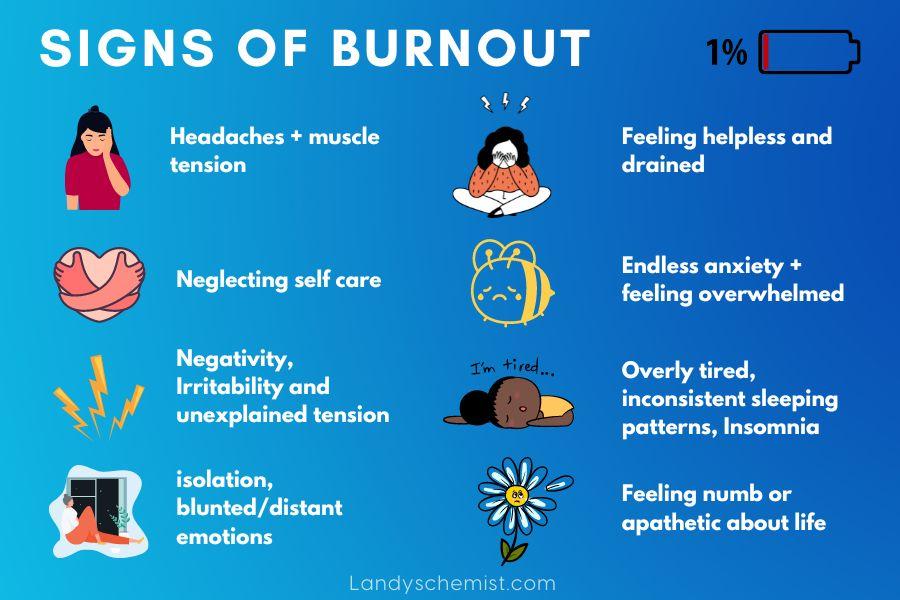
Identifying burnout early requires a deep awareness of both emotional and physical cues. Emotions such as persistent irritability, overwhelming sadness, or a notable decrease in motivation shouldn’t be dismissed as mere mood swings.These feelings can be precursors to more severe stress responses. Physically, individuals may experience constant fatigue, headaches, or changes in sleep patterns that don’t improve with rest. Recognizing these symptoms early enables proactive intervention before the condition escalates, potentially reducing long-term effects on health and productivity.
Pay attention to signs like:
- Emotional exhaustion characterized by a sense of helplessness or detachment
- Chronic physical ailments with no clear medical cause
- Difficulty concentrating or decision-making
- Decreased satisfaction and sense of accomplishment
By tuning into these emotional and physical signals, you can create a personalized response strategy that nurtures well-being. This might include seeking professional support, establishing stronger work-life boundaries, or incorporating restorative practices into daily routines. Early detection not only mitigates the severity of burnout but also fosters resilience and long-term mental health.
Practical Strategies to Manage Stress and Prevent Burnout
Managing stress effectively involves creating a balance between your responsibilities and self-care. Start by setting clear boundaries in your work and personal life to prevent overextension. Incorporate daily practices such as mindfulness meditation, deep-breathing exercises, or journaling to center your thoughts and reduce anxiety. Remember, small consistent actions can build resilience against chronic stress. Additionally, prioritizing quality sleep and a nutritious diet plays a critical role in stabilizing your mood and energy levels.
Building a support system is equally vital. Regularly connect with friends, family, or colleagues who provide positive reinforcement and understanding.If your workload feels overwhelming, don’t hesitate to delegate tasks or seek professional guidance. Here are some effective techniques to implement:
- break tasks into manageable steps to avoid burnout triggers.
- Schedule regular breaks and physical activity during your day.
- Practice saying “no” to additional commitments that strain your capacity.
- Engage in hobbies that bring joy and relaxation.
Building a Supportive Environment to Foster Employee Wellbeing
Creating a nurturing atmosphere where employees feel valued and heard is paramount in combating burnout. A workplace culture grounded in empathy and open communication enables individuals to express their challenges without fear of judgment. Encouraging regular check-ins—both formal and informal—can definitely help leaders identify early warning signs of stress and fatigue. Implementing flexible work schedules and promoting the importance of taking breaks also demonstrate a commitment to holistic wellbeing, allowing team members to recharge and return with renewed focus.
Moreover, fostering a collaborative environment where workloads are balanced and realistic expectations are set helps alleviate undue pressure. Offering resources such as mental health days, access to counseling services, and wellbeing workshops can empower employees to manage their stress proactively. Encourage peer support networks by facilitating team-building activities and promoting a culture where asking for help is seen as a strength. Together, these efforts create a sustainable, supportive space where everyone can thrive both professionally and personally.
Final Thoughts
In today’s fast-paced world, recognizing the signs of burnout early is crucial to maintaining both your mental well-being and professional performance. By staying attuned to your physical, emotional, and behavioral signals, you empower yourself to take proactive steps before exhaustion takes hold. Remember, responding effectively isn’t just about managing symptoms—it’s about creating sustainable habits, setting boundaries, and seeking support when needed.Burnout is a common challenge, but with the right awareness and strategies, it’s one you can overcome. Take care of yourself, stay mindful, and prioritize your health—because your well-being is the foundation of your success.