
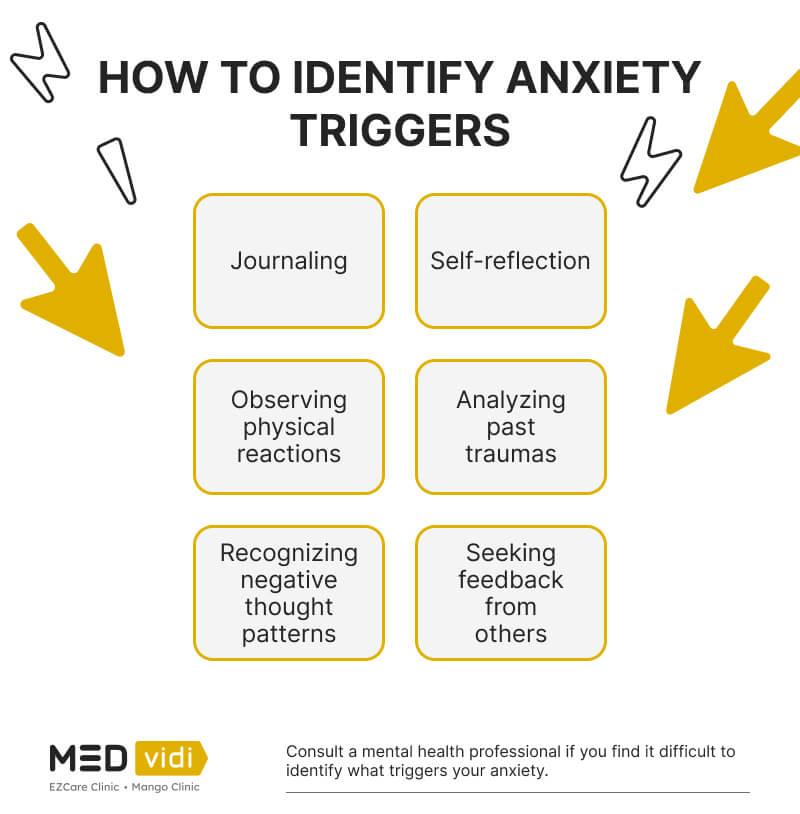
Anxiety is a common experience that can affect anyone at any time, often arising unexpectedly adn disrupting daily life. Understanding how to identify what sets off these feelings—known as anxiety triggers—is a crucial first step toward managing and reducing anxiety effectively. In this article, we’ll explore practical strategies for spotting your personal triggers and offer actionable tips to help you regain control, improve your wellbeing, and navigate anxiety with greater confidence. Whether you’re new to anxiety management or looking to deepen your coping skills, this guide is designed to support you on your journey to emotional balance.
Table of Contents
- Understanding Common Anxiety Triggers and Their Impact on Mental Health
- Techniques for Identifying Personal Anxiety Triggers in Daily life
- Practical Strategies to Manage and Reduce the Influence of Anxiety Triggers
- Incorporating mindfulness and Self-Care Practices to Enhance Emotional Resilience
- Closing Remarks
Understanding Common Anxiety Triggers and Their Impact on Mental Health
Anxiety triggers often stem from everyday situations that might seem harmless to others but can provoke intense emotional responses in those sensitive to them.These triggers vary widely and can include stressful social encounters,financial pressures,or even certain environmental stimuli like loud noises or crowded spaces. Understanding these triggers is crucial, as they can amplify feelings of fear, worry, and unease, sometimes spiraling into more severe anxiety episodes if left unaddressed. Recognizing early signs, such as increased heart rate, racing thoughts, or muscle tension, helps individuals intervene before anxiety escalates to overwhelming levels.
The impact on mental health can be profound, affecting concentration, sleep quality, and overall well-being. Managing these triggers effectively requires a multifaceted approach that includes:
- Identifying specific triggers through self-reflection or journaling.
- Developing coping strategies, such as mindfulness and controlled breathing techniques.
- Adjusting lifestyle habits to reduce exposure to known stressors when possible.
- Seeking professional support to tailor management plans and address root causes.
By consciously addressing the underlying factors that provoke anxiety, it becomes possible not only to reduce immediate distress but also to build resilience against future episodes, ultimately fostering improved mental health and emotional balance.
Techniques for Identifying Personal Anxiety Triggers in Daily Life
Recognizing the specific circumstances or patterns that set off your anxiety is an essential step in managing it effectively.Start by maintaining a daily journal, noting moments when you feel heightened stress or unease. Over time, patterns often emerge—whether they involve particular places, people, or situations. Pay close attention to your body’s signals as well; physical symptoms like a racing heart, shallow breathing, or muscle tension often indicate rising anxiety.Combining both emotional and physical observations will give you a clearer picture of your personal triggers.
Another powerful technique involves mindful self-reflection paired with proactive questioning. When anxiety arises, ask yourself:
- What happened just before this feeling? Identifying preceding events can highlight external triggers.
- what thoughts or fears are running through my mind? This helps pinpoint internal cognitive patterns linked to anxiety.
- Is this a recurring scenario? Repetition indicates a consistent trigger that requires attention.
Over time, this habit trains your mind to become more aware of subtle cues and enables you to address anxiety-triggering situations with greater clarity and confidence.
Practical Strategies to Manage and Reduce the Influence of Anxiety Triggers
One effective way to regain control over anxiety triggers is by developing a personalized toolkit of coping techniques. Incorporating mindfulness exercises such as deep breathing,grounding techniques,or progressive muscle relaxation can interrupt the physical and mental escalation that frequently enough accompanies anxiety. Consistently practicing these methods empowers your nervous system to shift from a state of hyperarousal to calm, reducing the intensity of triggered responses over time. Additionally, reframing anxious thoughts by challenging irrational beliefs with evidence-based affirmations helps to neutralize cognitive distortions that fuel anxiety.
another valuable approach involves structuring your environment to minimize exposure to known triggers. Simple adjustments like creating calming spaces, setting healthy boundaries in relationships, and managing digital intake can all contribute to a less triggering atmosphere.Building a reliable support network is equally critical; sharing your experiences with trusted friends, family, or mental health professionals fosters resilience and provides practical insights. Together, these strategies create a layered defense system that gradually lessens the grip of anxiety triggers on your daily life.
- practice grounding techniques to stay present during moments of distress.
- Identify and reframe negative thought patterns through cognitive exercises.
- Modify your environment to reduce unneeded exposure to known triggers.
- Create supportive connections with people who understand your journey.
Incorporating Mindfulness and Self-Care Practices to Enhance Emotional Resilience
Building emotional resilience is a dynamic process that thrives on intentional mindfulness and self-care routines.By engaging in regular mindfulness practices, such as focused breathing, body scans, or mindful walking, you cultivate a heightened awareness of your emotional responses. This awareness acts as a buffer, allowing you to recognize early warning signs of stress or anxiety before they escalate. Additionally, incorporating self-care strategies — which might include adequate sleep, balanced nutrition, and scheduled downtime — replenishes both your physical and mental resources, enabling you to face challenges with greater stability and calm.
Incorporate these simple yet effective habits into your daily routine to bolster emotional strength:
- Set aside 5-10 minutes each day for meditation or deep-breathing exercises.
- Maintain a journal to track triggers and emotional patterns, fostering reflective awareness.
- Prioritize activities that bring joy and relaxation, such as nature walks or creative pursuits.
- Establish boundaries around work and social media to reduce overwhelm and details overload.
By embracing this holistic approach,your emotional resilience grows not just in response to anxiety triggers,but as an ongoing foundation to navigate life’s ups and downs more gracefully.
Closing Remarks
Incorporating an awareness of anxiety triggers into your daily life is a powerful step toward greater emotional well-being. By learning to identify what sets off your anxiety and equipping yourself with effective management strategies,you can regain a sense of control and resilience. Remember, managing anxiety is a continuous journey—one that benefits from patience, self-compassion, and, when needed, professional support. With these tools in hand, you’re better prepared to face challenges head-on and nurture a calmer, more centered mindset.